How to MarkGridy
Onet/Pikachu Path connection
Onet is a grid-based matching puzzle. The goal is to remove all cells by pairing identical ones using valid connection paths.
How it works
- Each cell contains a text.
- You select two matching cells to remove them.
- A pair can only be cleared if a valid path exists between them.
Connection rules
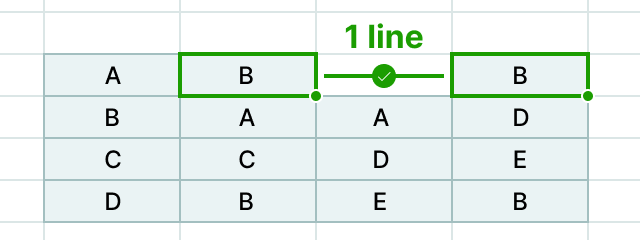
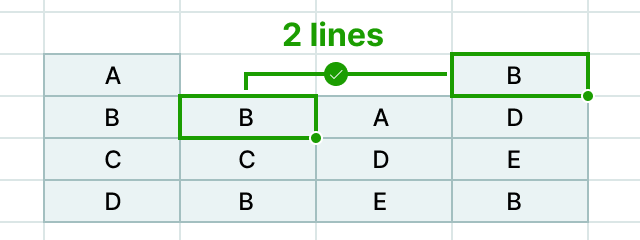
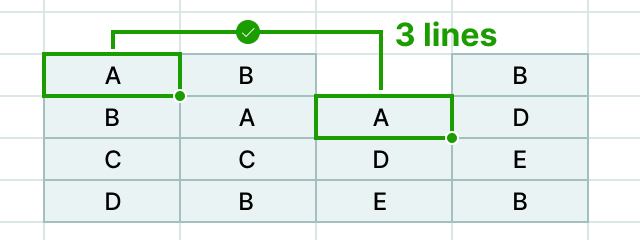
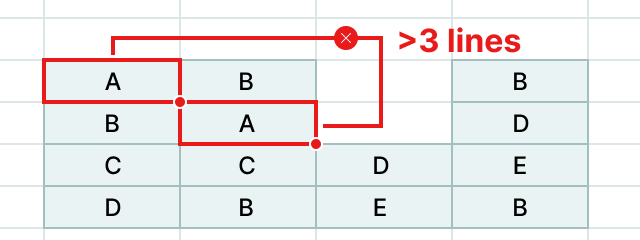
- The path must be made of straight lines only
- Maximum 3 lines (≤ 2 turns)
- The path must:
- Stay inside the grid
- Not pass through unmarked cells
Strategy tips
- Prioritize pairs that open space along edges or corners
- Clearing outer cells first reduces the chance of blocked paths
- If no valid moves remain, the board may reshuffle or end
How to win
Clear all cells.
Cell Memory Pair matching
Cell Memory tests short-term recall. You reveal cells and try to match pairs by remembering their positions.
How it works
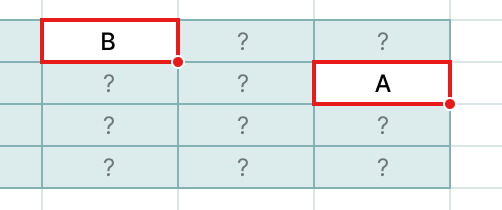
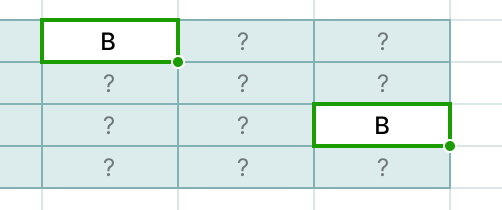
- All cells start hidden
- Each turn, you reveal 2 cells
- If they match: Stay revealed
- If not: Flip back to hidden
Core mechanics
- Only 2 cells can be revealed at once
- Previously seen cells help inform future moves
- No time limit
Strategy tips
- Focus on remembering positions, not just symbols
- Build a mental map of the grid
- Avoid random guessing once information is available
How to win
Reveal and clear all matching pairs.
Lights Out Toggle logic
Lights Out is a logic puzzle where each move affects multiple cells. The objective is to switch off all active cells.
How it works
- Each cell can be on or off
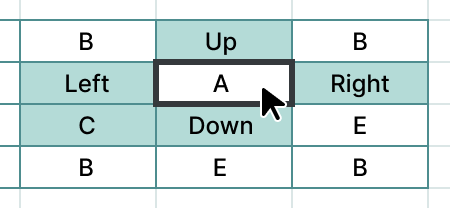
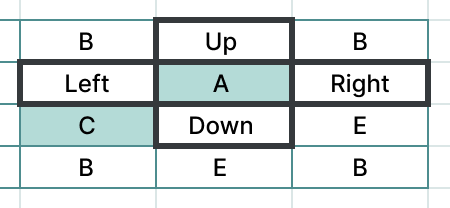
- Tapping a cell will:
- Toggle itself
- Toggle adjacent cells (up, down, left, right)
Core mechanics
- Each move changes multiple states
- Actions are deterministic (same tap → same result)
Strategy tips
- Work systematically (e.g., row by row)
- Think ahead before tapping
- Try to reduce randomness and build repeatable patterns
- You can click "Reset" to start over
How to win
Turn off all cells.
Cell Rush Grid race strategy
Cell Rush is a turn-based pathfinding puzzle. You compete against an enemy to reach your destination first.
How it works
- You control the blue cell; the enemy is red
- Each turn, move 1 step: Up / Down / Left / Right
- Both sides aim to reach their own home
Grid elements
- Home cell: your destination
- Blocked cell: cannot enter
- Trap cell: lose 1 turn when stepped on
Core mechanics
- Movement is turn-based
- Positioning and route choice determine outcome
- Enemy follows its own path logic
Strategy tips
- Choose the shortest valid path
- Avoid traps unless necessary
- Anticipate enemy movement and optimize your route
How to win
Reach your home before the enemy. If you lose, the board resets and you can try again.
Cell Caro Five-in-a-row duel
Place your mark on empty cells and build a line of five before the enemy.
How it works
- You control the Blue cell
- The enemy responds as the Red cell after each move
- You can only place a mark on an unclaimed cell
Color guide
- Blue = your moves
- Red = enemy moves
Core mechanics
- Five in a row counts horizontally, vertically, or diagonally
- Background text is visual noise; unclaimed cells are still playable
- If the enemy wins or the board reaches a draw, the board resets
Strategy tips
- Build open-ended lines instead of single-direction attacks
- Block enemy chains early
- Control central space to maximize options
How to win
Create a connected line of five marks before the enemy.
Number Hunt Sequence speed
Find and click numbers in strict order from 1 upward until the board is fully cleared.
How it works
- Only the next number in sequence is valid
- Wrong clicks do not progress the level
- Each correct click marks that number as completed
- Ignore all text — only numbers matter
Core mechanics
- You must follow the exact sequence with no skips
- Completed numbers stay marked so you can track progress
- Text elements are visual noise and do not affect gameplay
Strategy tips
- Scan in zones to reduce eye movement
- Keep a short look-ahead for the next targets
- Avoid panic clicking when the grid gets dense
How to win
Clear the full number sequence on the board in order.